Game Design & AI Pre-College Summer Program
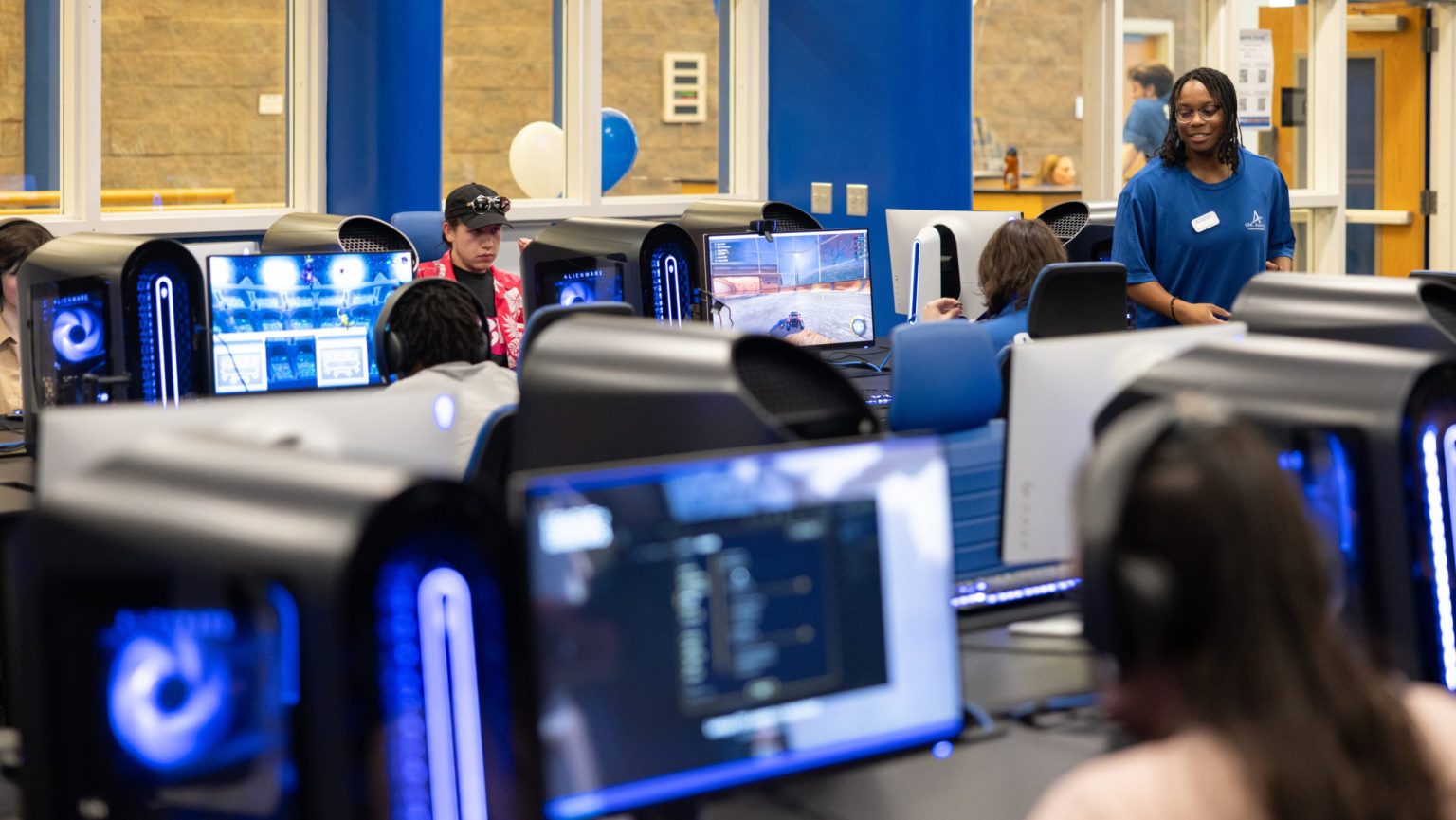
Game Design & AI Pre-College Summer Program for High School Students
Registration Details:
- Program Dates: June 21 – 26, 2026
- Cost: $1,590 (includes lodging, meals, course materials, activities, and excursions)
- Eligibility: Open to rising high school sophomores, juniors, and seniors
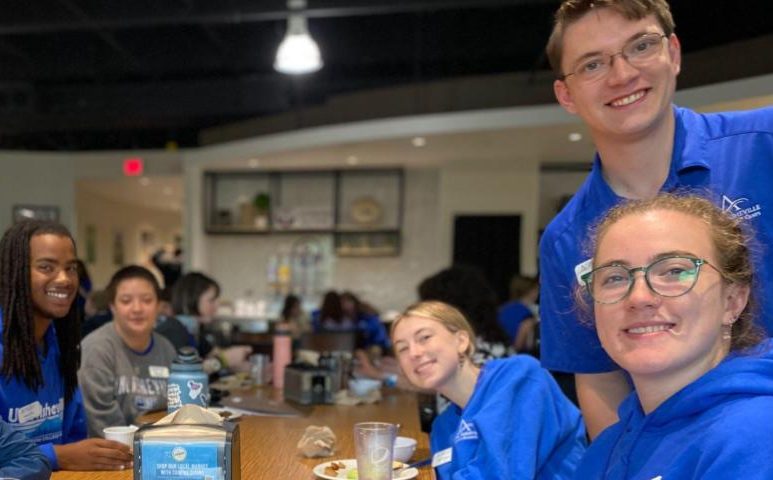
- Housing & Dining: Students reside in campus residence hall and dine in campus dining hall
- Deposit & Payment: A $500 deposit is required at registration, with the remaining balance due by May 1, 2026. After that date, full payment is required upon registration. Click here to view our cancellation policy.
- Enrollment: Open until all spaces are filled
- Registration: Registration is through the Camp Doc platform. Detailed step-by-step registration instructions are available here.
Future Worlds: AI-Enhanced Game Design
Building Future Worlds with Generative Tools – Designing games with vibe-coding artificial intelligence—where imagination meets emerging tech. Step into the future of creativity with a hands-on exploration of how artificial intelligence is transforming game design. In this immersive one-week camp, students will collaborate in design teams to create their own AI-enhanced or AI-themed games… learning how to guide “vibe-coding” tools that turn imagination into interactive experiences. Together, we’ll experiment with low-code 2D & 3D platforms, explore the ethics and artistry of AI, and prototype original digital worlds. The week culminates with a showcase where students present their creations and reflect on what it means to be a designer in an AI-driven world.
This program is ideal for students excited about the intersection of technology, storytelling, and innovation… no prior coding experience required, just bring your curiosity and a love for games.
Program Topics
- Understand the foundations of game design: mechanics, dynamics, aesthetics, and player experience
- Explore how AI “vibe-coding” tools can help brainstorm ideas, generate code, and speed up prototyping
- Learn systems thinking for games: economies, gameplay loops & chains, difficulty curves, and balance
- Practice collaborative design: giving and receiving feedback, iterating, and presenting your work
Hands on Learning
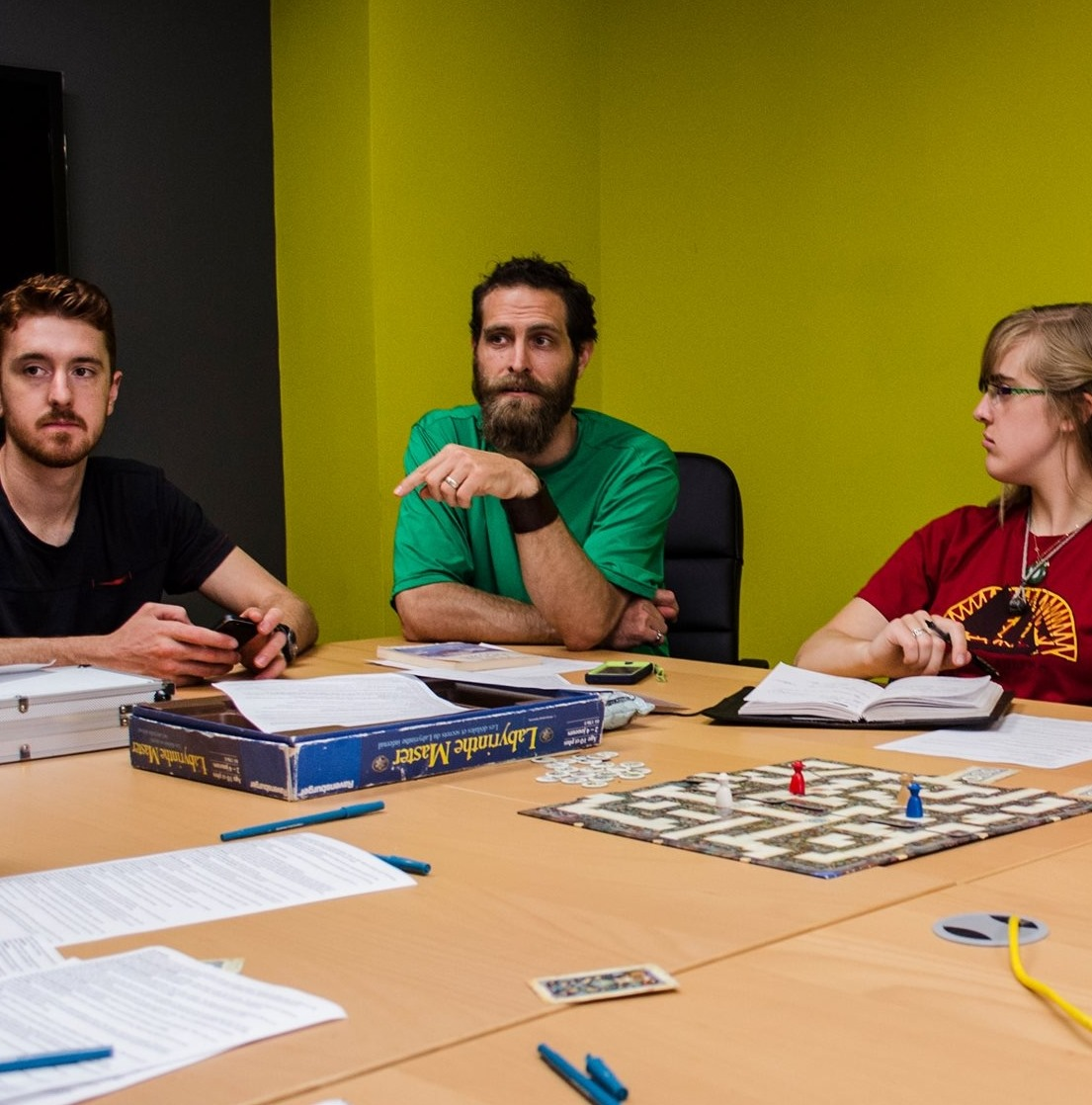
- Daily design labs where we will break down favorite games and remix their mechanics
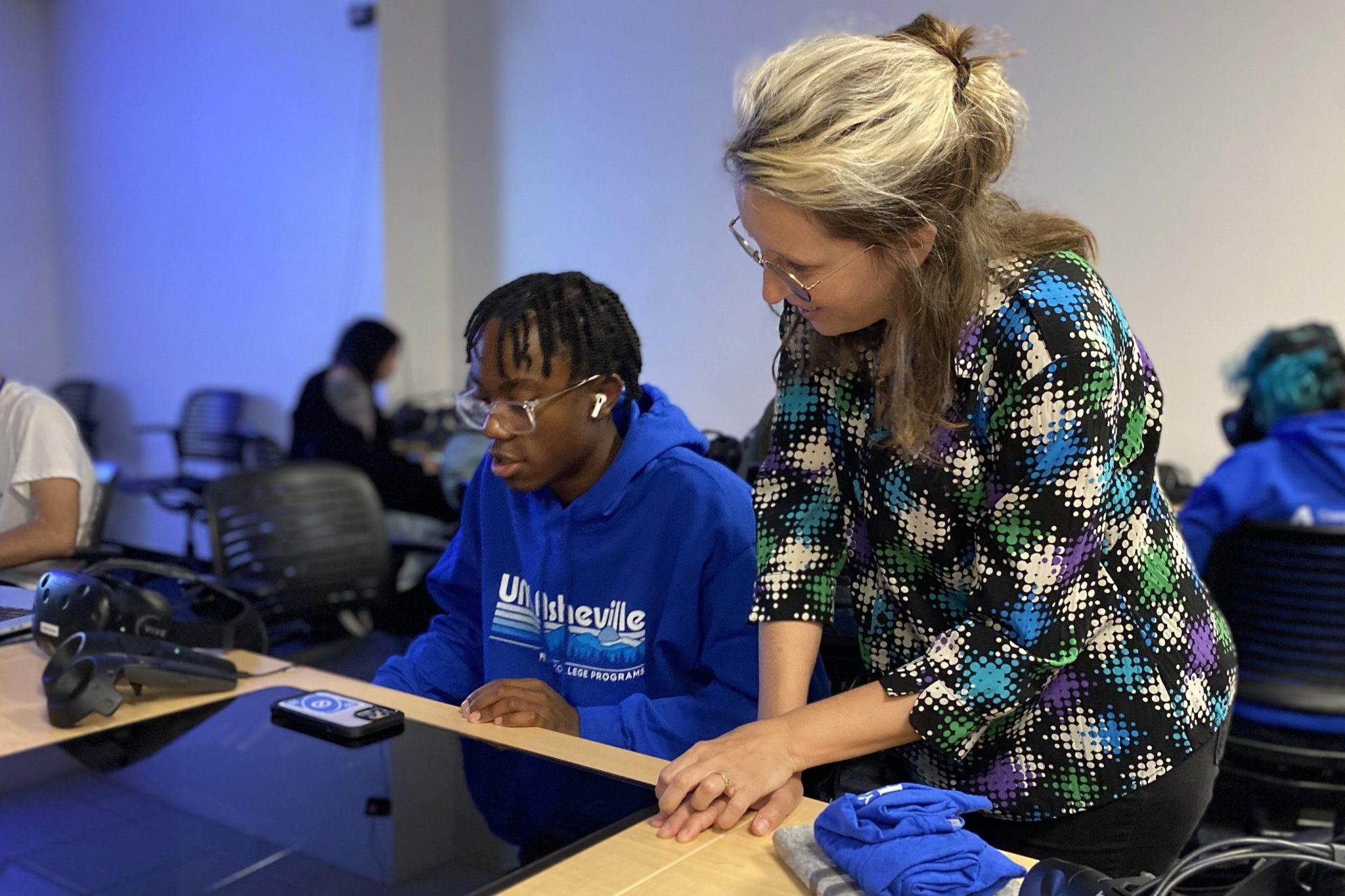
- Guided vibe-coding workshops using browser-based tools to build small interactive prototypes
- Rapid playtesting loops: teams test each other’s games, gather feedback, and improve their designs
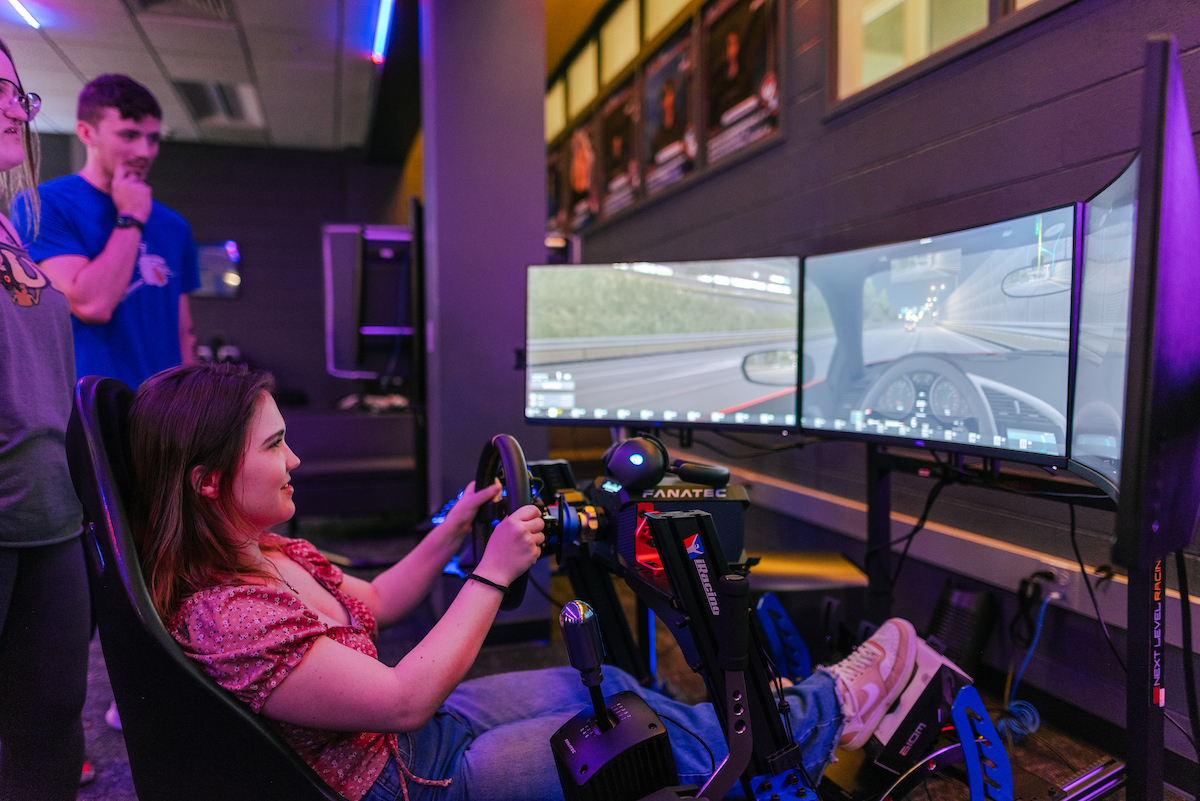
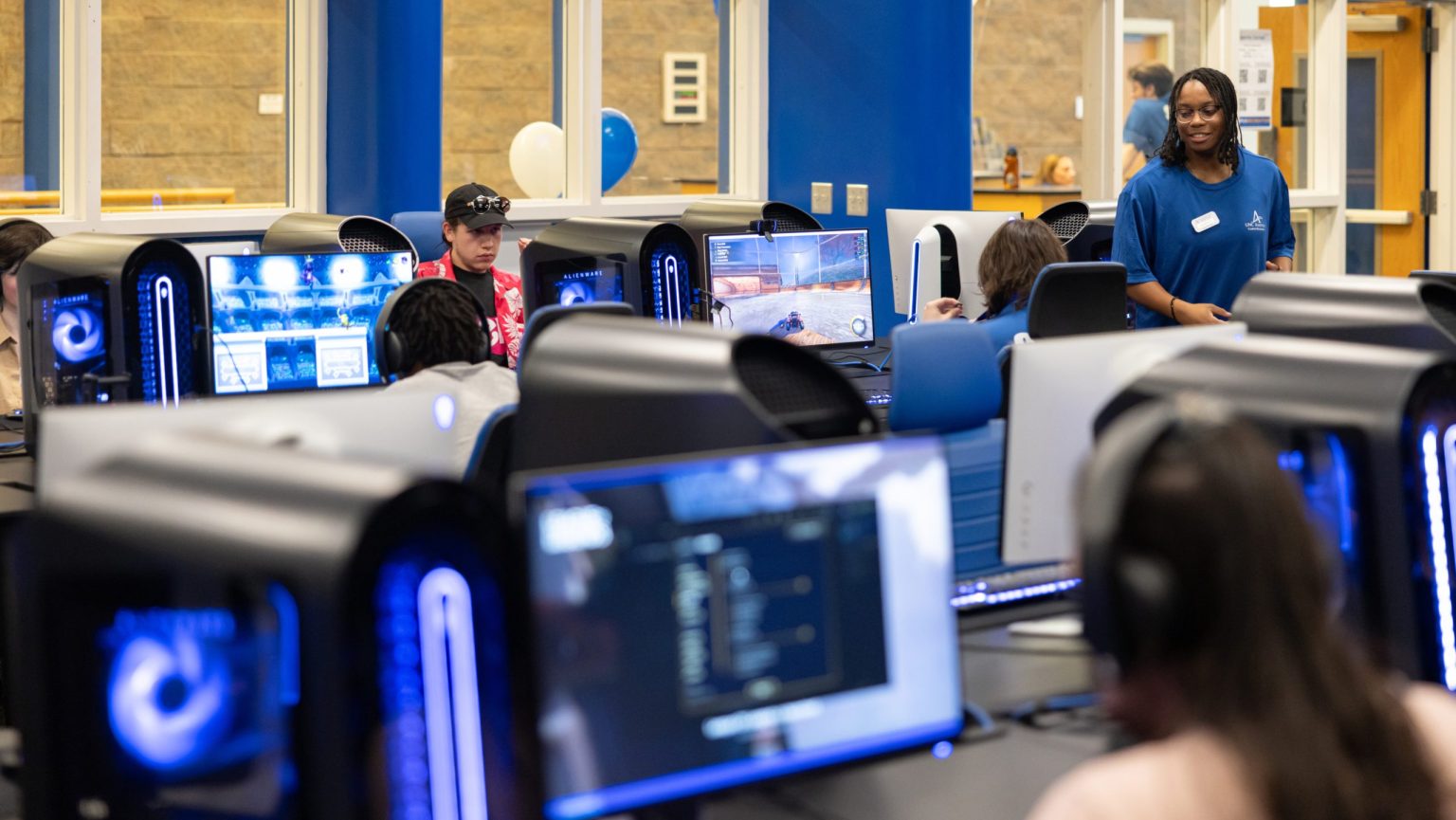
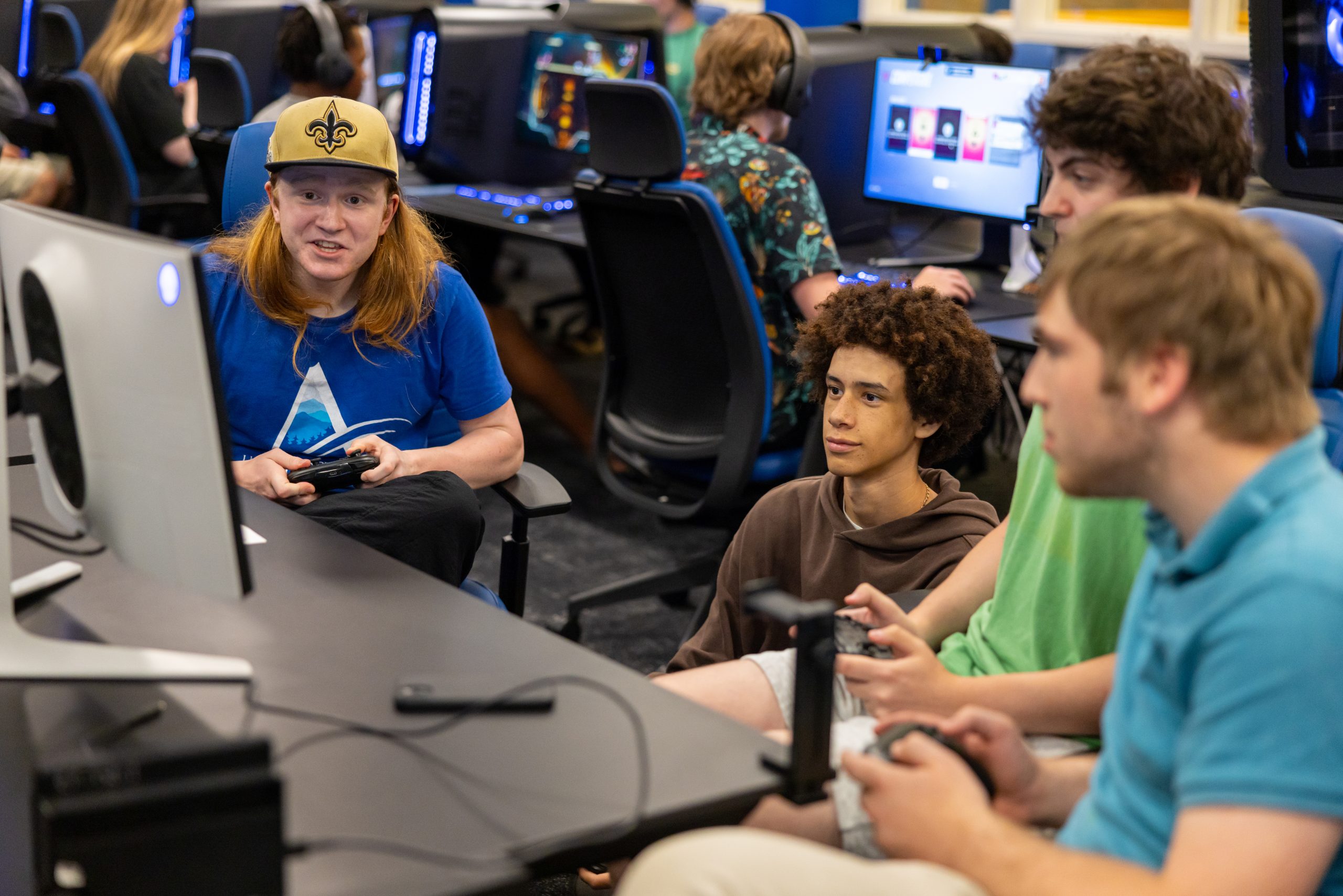
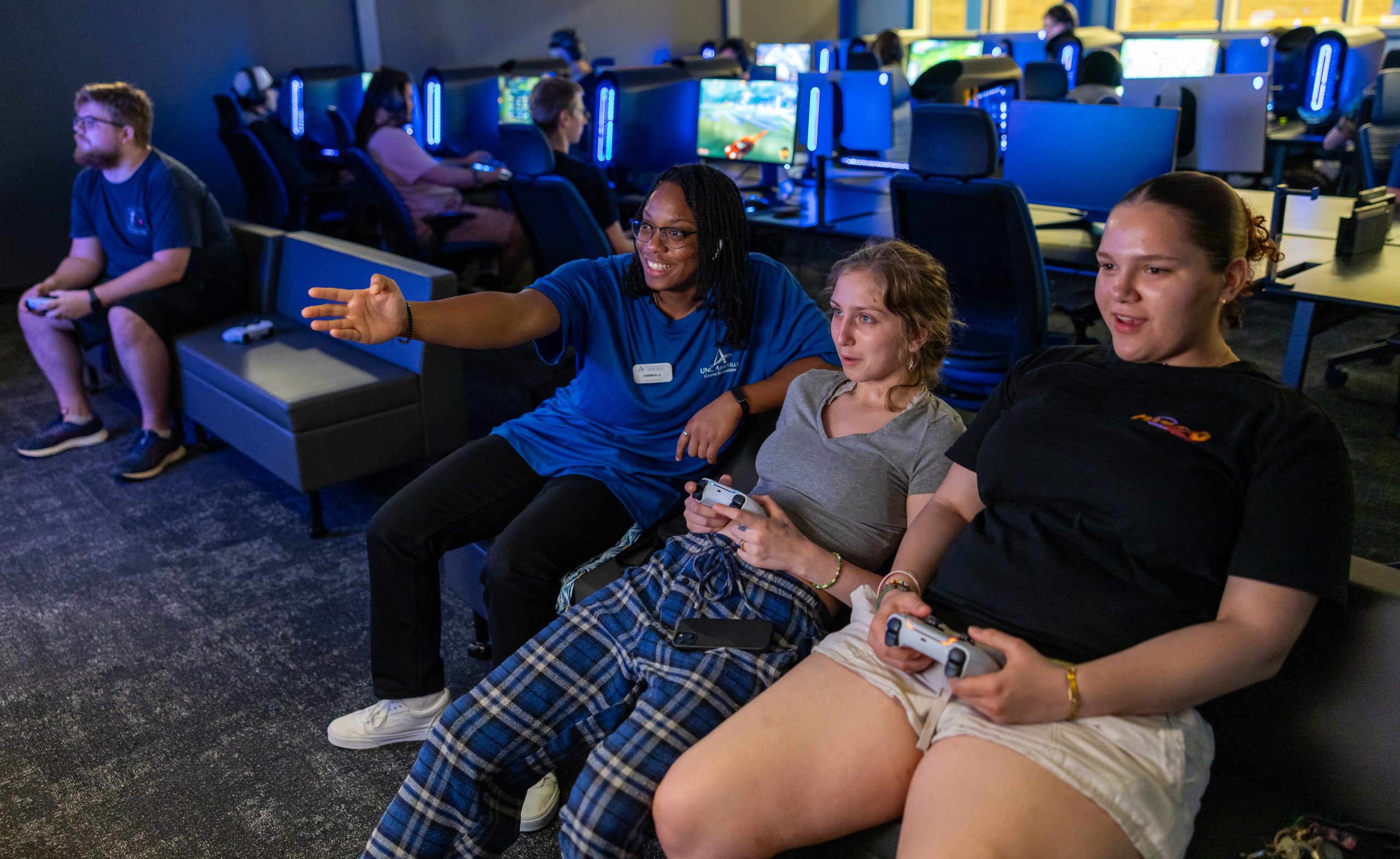
- Optional sessions in the Esports Center and VR lab to experience immersion and competitive play firsthand
Sample Schedule:
| Morning | 8 a.m. – Breakfast 9 a.m. – Daily Game Design Kickoff (Short talk + discussion on a core topic such as mechanics, player psychology, aesthetics, or systems; analyze a familiar game together.) 10a.m. - Design Studio: From Idea to Plan (Teams sketch today’s goals: choose a mechanic or scene to focus on, storyboard interactions, outline assets and rules.) 11 a.m. – Guided Vibe-Coding Session (Use AI tools to scaffold today’s feature or scene) 12 p.m. – Lunch & free time |
| Afternoon | 1 p.m. – Prototyping Block (Heads-down build time in small teams: implement mechanics, polish feedback, integrate sound/visuals.) 2:30 p.m. – Playtest Round 1 (Quick rotations: each team plays another team’s prototype, taking notes on fun, clarity, and feel.) 3:15 p.m. – Iteration Lab (Revise based on playtest notes; adjust rules, pacing, UI, or narrative.) 4 p.m. – Playtest Round 2 & Debrief (Second short testing loop, then whole-group reflection on what changed and why.) |
| Evening | 5 p.m. – Dinner 6:30 p.m. – Activities / Recreation / Free Time Options could include: sand volleyball, Asheville Tourists game, game night, movie 11 p.m. – Lights out |
Meet Your Faculty
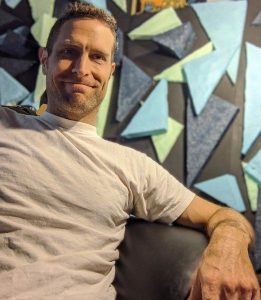 Brett navigates the world in ways that other people might call strange, nonconformist, or even risky. His “chaotic magical awareness” and natural aptitude for wonder and play benefit both individuals and organizations. With extensive experience using play and reflective conversations to create experiences (in and out of VR) that strengthen empathy and connection, Brett brings a unique grasp on the technology, its potential/limitations, and how to effectively implement it in real world scenarios.
Brett is adept at traveling into the rabbit hole of technology or the universe of the mind. Originally a computer scientist, Brett quickly turned toward world traveling, religious philosophy, and achieving World Champ status in Ultimate Frisbee. He lives in Black Mountain with his wife, Diana, and their three children.
Questions? Please contact us at precollege@unca.edu.